
Paul Harris Estate
Case Study
The office of Portrait has a proven track record of success. Their ability to present an artist from a historical perspective is outstanding. It is a pleasure working with their team of professionals to communicate the magic that is the life and artwork of Paul Harris."
“
—Rich Kalin, Trustee of the Paul and Marguerite Kirk Harris Estate
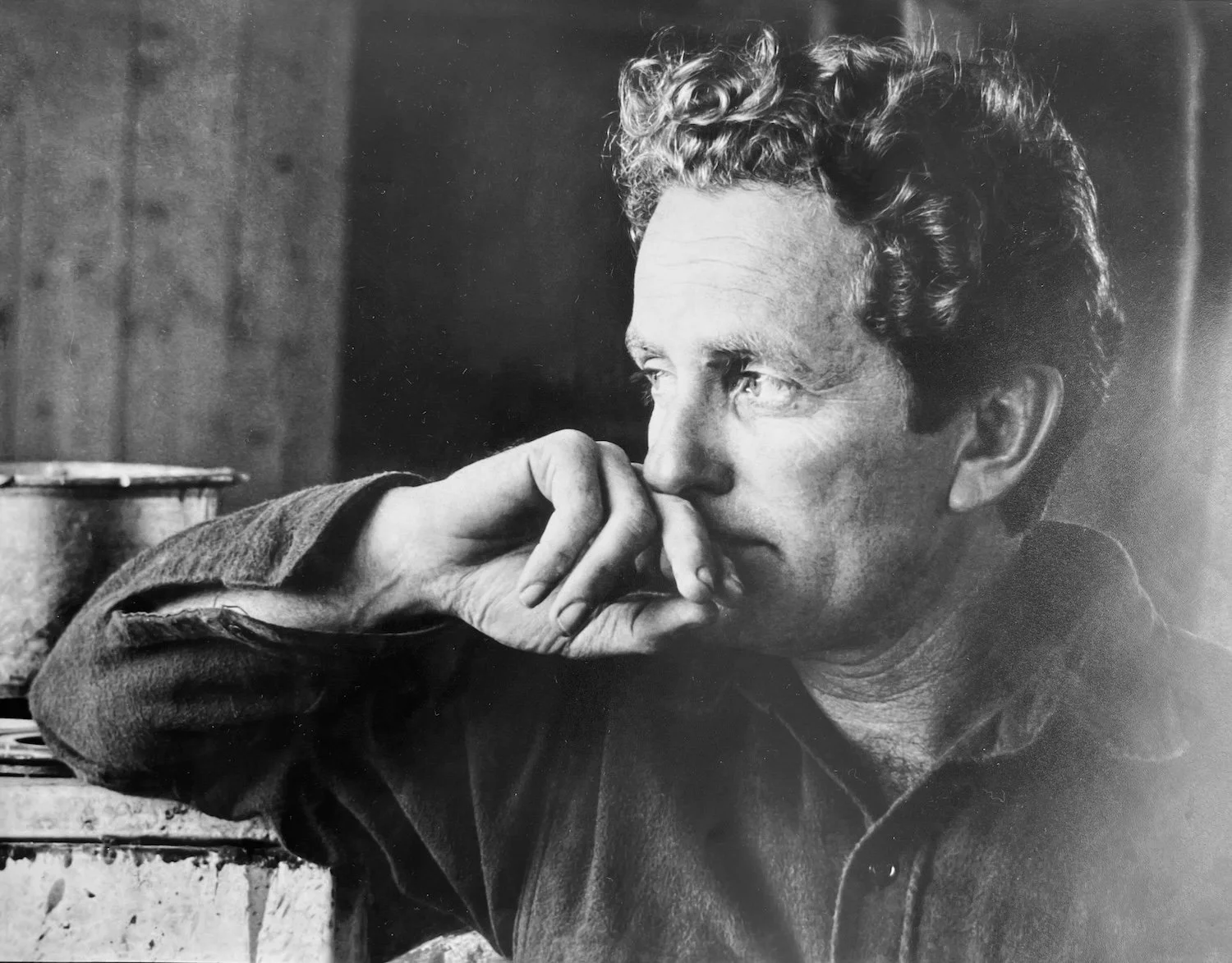
Paul Harris, Courtesy Paul Harris Estate
As Office of Record, we provide a depth of strategy, brand, communications, and public engagement to the Paul Harris Estate in Bozeman, Montana. Since 2006, it has been a special privilege to lead a range of initiatives uniting research, visual analysis, new primary materials, and institutional relations with visual criticism, curatorial practice, and programming to support the cultivation of a wider appreciation and understanding of the restless postmodernist (1925–2018). We were delighted to be selected based on our ongoing work for the Richard Diebenkorn Foundation—Harris and Diebenkorn enjoyed a lifelong friendship—including diebenkorn.org, @DiebenkornFoundation on Instagram, the successful #Diebenkorn100, and more than a decade of strategy, brand, and communications work for the Foundation.
As a first, and ambitious task, we spent nearly a year planning #PaulHarris100, a festive, online/offline centennial, including new research, visual analysis, scholarship, institutional collaborations, new photography and visual standardization, archival processing, branding, a centennial microsite, paulharrisestate.com, and a museum retrospective with loans and public programming in Bolinas, California where the artist lived and worked with his family from 1963 until his death in 2018.
paulharrisestate.com by Portait
Faced with a small window of time, we began processing and digitizing the estate’s archives in Bozeman and simultaneously approaching archives that hold material. We began by identifying and developing a priority group of interviews, correspondence, photography, checklists, announcements, and catalogues in the artist’s archives to photograph on occasion of the centenary campaign, #PaulHarris100. We worked with San Francisco-based photography and image specialist and Portrait partner Michael Walker, who has been perfecting an approach and methodology for capturing, color profiling, and editing art and archival materials for artists, estates, and foundations for the past decade. At the Richard Diebenkorn Foundation, he developed a system and suite of tools, centered around capturing with a 140-patch color target and proprietary color management, that resulted in a consistent accuracy and an ease in reproducing materials both digitally and in print.
Simultaneously, we enlisted a host of institutions to contribute rare material, including the Archives of American Art, Smithsonian Institution, which holds both a revelatory 1976 interview between the artist and the Los Angeles contemporary art curator Maurice Tuchman and a decade of correspondence between Harris and the legendary New York dealer Elinor Poindexter who showed Harris from 1960 to 1970; California College of the Arts (formerly California College of Arts and Crafts), where he taught from 1968 to 1992, that holds a variety of documents and ephemera; the Los Angeles County Museum of Art, which holds a rarely seen contact sheet discovered in the museum’s archives of Harris’s Woman Laughing (1965) exhibited alongside a mural-size 1973 acrylic stained canvas by the abstractionist Morris Louis (1912–1962); and the San Francisco Museum of Modern Art, which holds exhibition-related documents and newspaper clippings on the artist’s seminal 1972 solo exhibition.
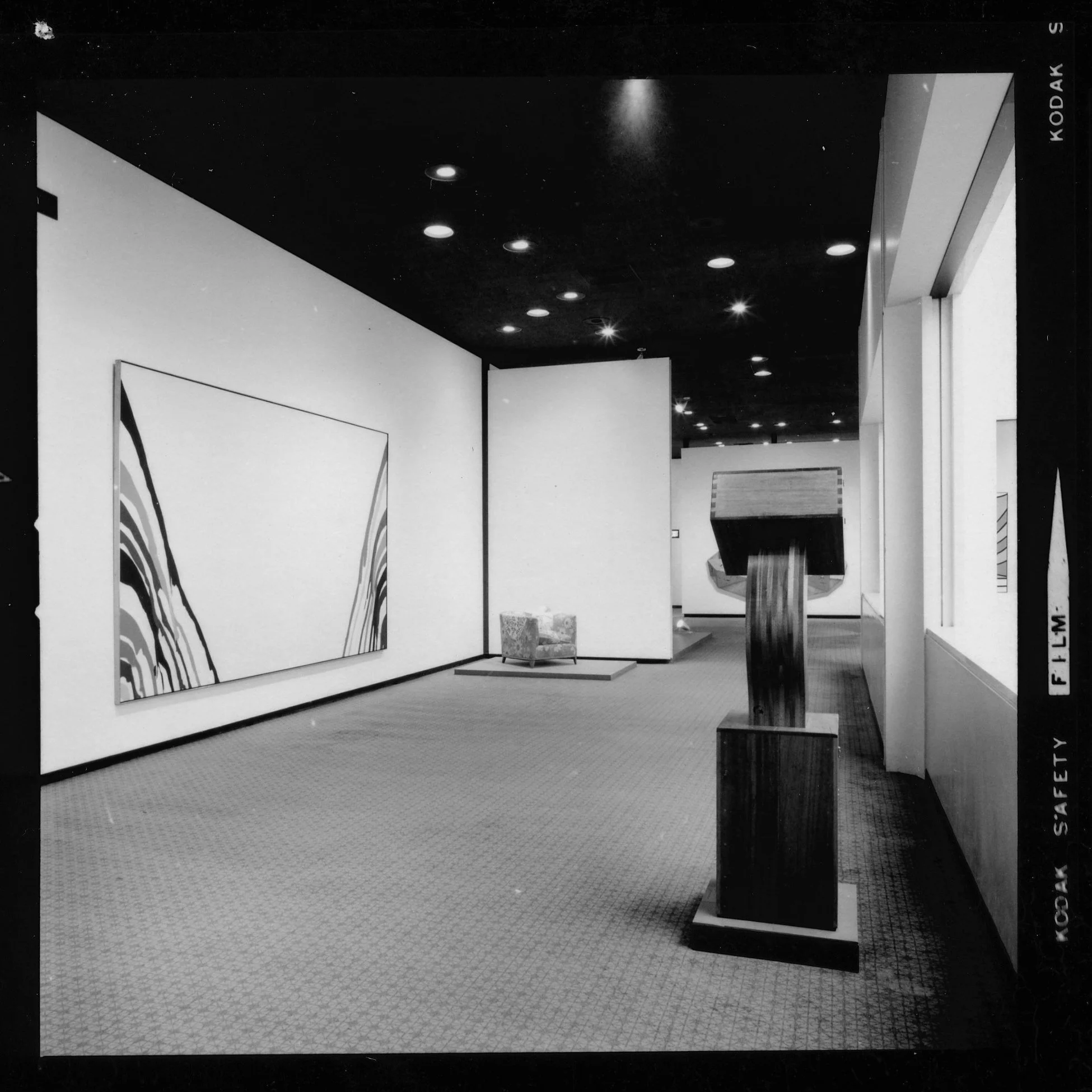
An installation photograph of The Kleiner Foundation: Gift of Contemporary Art, featuring Woman Laughing (1964) alongside a mural-size acrylic stained canvas by Morris Louis (1912–1962), Los Angeles County Museum of Art, Balch Art Research Library
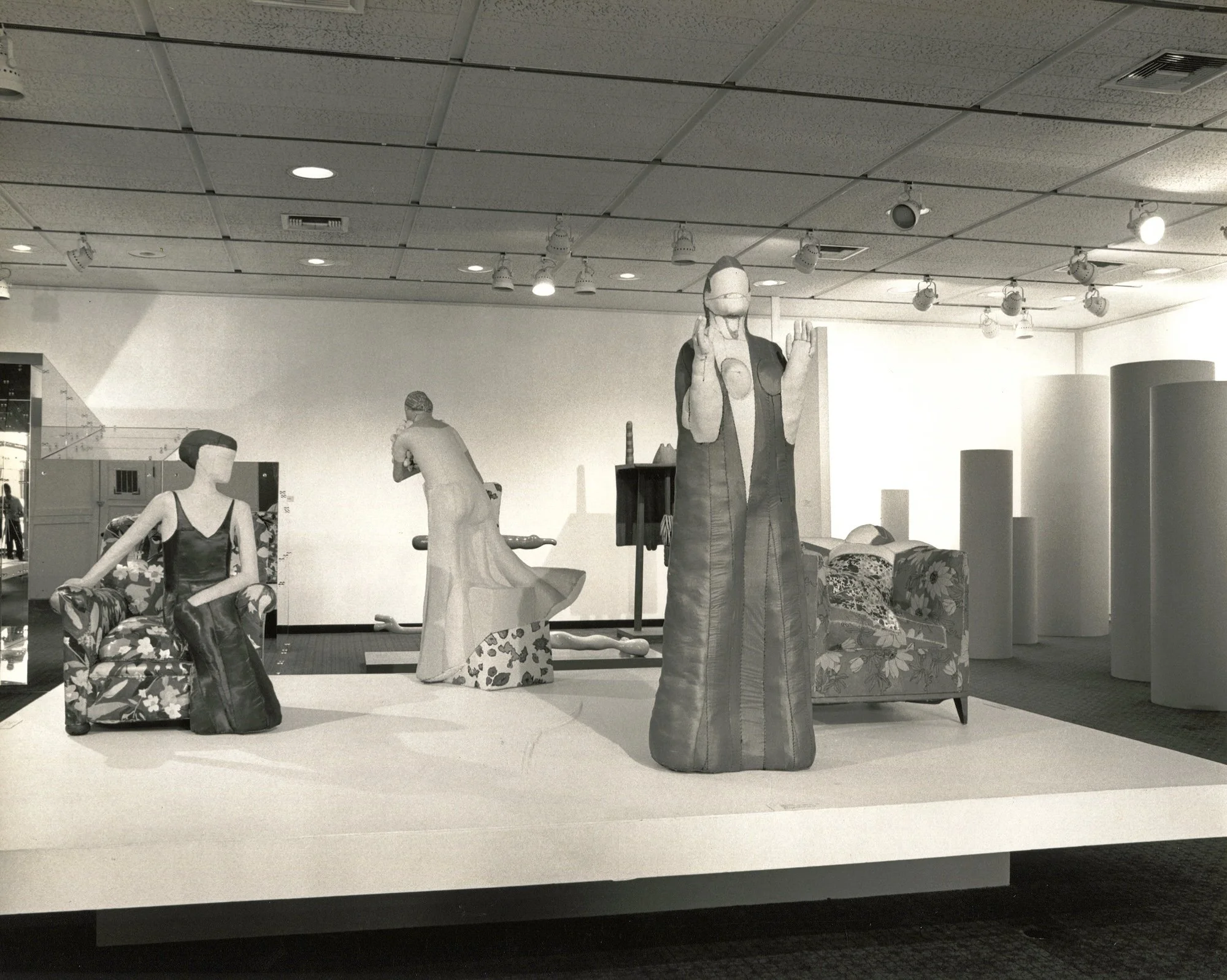
Installation view of American Sculpture of the Sixties, featuring Woman Giving Her Greeting (1964), second from right, Los Angeles County Museum of Art, CA, 1967
With newly processed archival material, we researched and reported in house a significantly expanded chronology rich and deep with new material and excerpts of interviews, correspondence, and reviews, including contributions by the family of the artist. A 1955 entry looks at a decisive, pivotal moment in Harris’s career when he begins working in string, a lightweight, dynamic mode and milieu he would continue until 1962 and may have been a creative extension of a loom he used in the family home in New Jersey. The year also marks the beginning of his use, later seen in his cloth and fabric sculptures, of non-traditional sculptural materials such as papier mâché and plaster; while a 1967 entry looks at his inclusion in an ambitious and touring survey, American Sculpture of the Sixties, organized by Tuchman of the Los Angeles County Museum of Art and highlights the curator’s remark in the exhibition materials that Harris’s “sewn and stuff personages … are poignant as they are terrifying.”
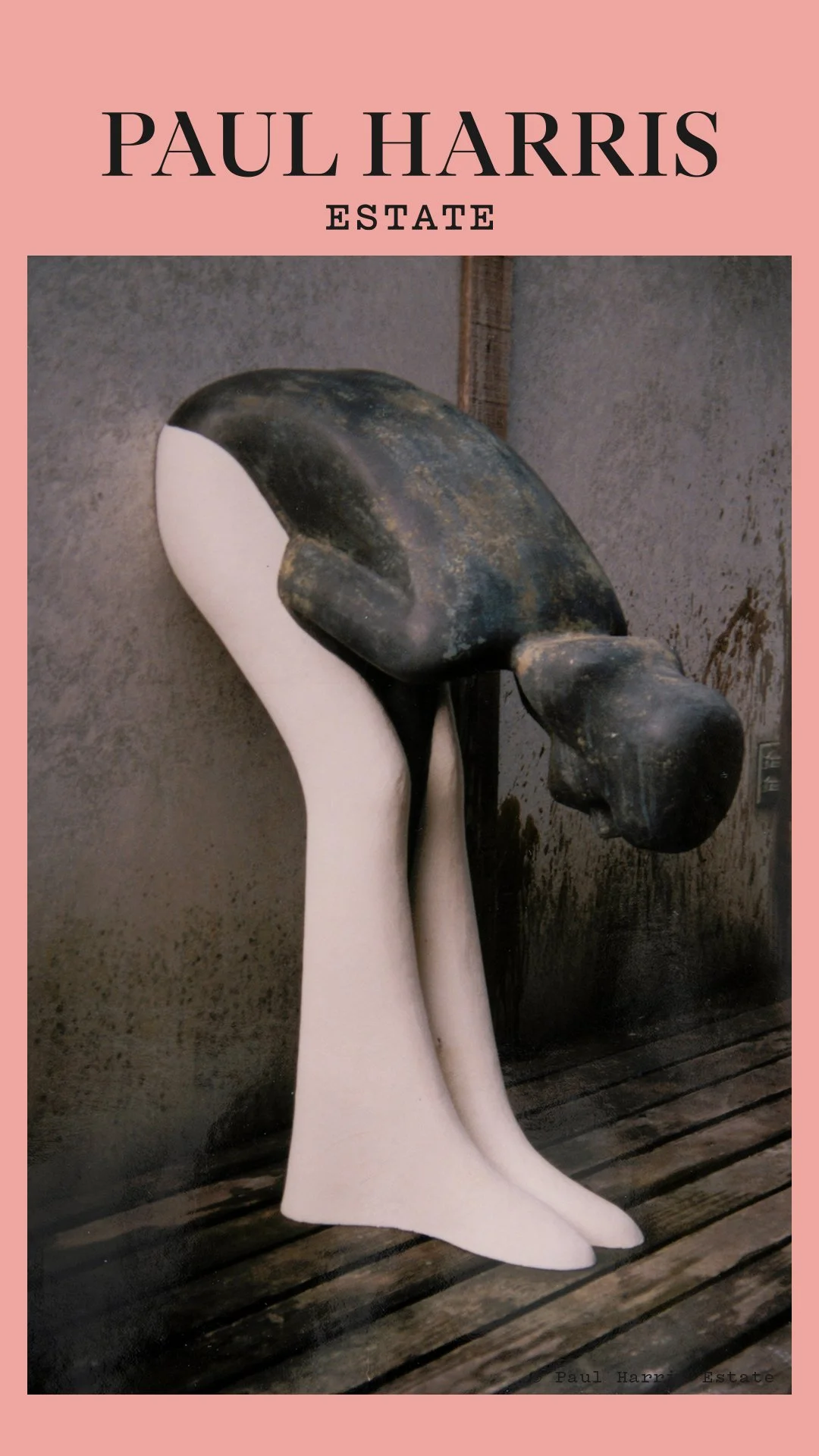
An example of the new estate visual identity for social, including motion
At the same time, we began development of an estate brand and visual identity system grounded in archival typography and a palette informed by the artist’s use of color, his correspondence, and a voluminous amount of ephemera, reflecting the visual world in which he lived and worked. A series of diagonal lines provide a distinctive framing device while a motion treatment provides an active extension.
We also initiated a planning sequence with the estate around this time that helped to define a strategy and operational plan, including a careful and sensitive placing of key artworks and related archival material with institutions, including a promised study collection of cloth and bronze sculpture, fiber, plaster, work on paper, and related studio tools, materials, and ephemera. As additive and enriching to our advice, we assembled an advisory committee comprised of leaders at estates, trusts, and foundations with a depth of knowledge in 20th century art and legacy building. And we began a systematic collections management initiative to migrate object data and record keeping to a cloud-based content management system, with the assistance of Jacquie Northcutt, who previously worked at the Richard Diebenkorn Foundation providing cataloguing and copyediting assistance for Richard Diebenkorn: The Catalogue Raisonné of Prints (Yale University Press, 2025). Northcutt executed the migration and oversaw data management, which instantly improved operational efficiencies and addressed inaccuracies and omissions on the artwork-level as we prepare to debut an expanded digital platform in early 2027 and a second installment of the artist’s expanded chronology.
On the eve of the artist's 100th, we debuted a new microsite rich in work in every medium and period of the artist’s life. A vivid, vertical scroll provides a number of direct entry points with a continuous, visually illustrated narrative with excerpts from a new biography prepared by Leah Triplett, Curator of Contemporary Art at the Pennsylvania Academy of Art, a specialist in soft sculpture and contributor to Sculpture magazine. In order to introduce the artist and set a critical and verbal tone, we featured her remark across the homepage scroll that “Having come of age as an artist in the effervescent 1950s, when stylistic allegiance was paramount, Harris was singularly comfortable across the spectrum of abstraction and figuration in two or three dimensions. In drawing, printmaking, and painting, his mark-making is richly lyrical, with spirited colors in vibrant dynamism; his bronze and soft sculptures are expansive in form and shape, their intricacies in surface betraying his early training in painting.”
We also supported Triplett as she researched “Interior Interests,” a sweeping, lyrical reappraisal and the centennial’s flagship piece of scholarship. Triplett has significantly contributed to the study and understanding of the artist and him as an artist on the vanguard of significant 20th century art, asserting that his “vivaciously colored, highly patterned soft sculpture demonstrates a painterly sensibility and a command for expressing emotion through material and formal juxtapositions,” and that his avante garde works “anticipate installation art of the late 1970s and 1980s in their sense of space and scale.” The site also boasts new scholarship we commissioned by art historian and art critic Jessica Holmes, and former deputy director of the Calder Foundation, who looks at his work in fiber, plaster, concrete, and bronze, and Sarah Hotchkiss, a Bay Area artist and art critic for KQED in San Francisco, who surveys the artist’s work on paper, including pencil, crayon, and prints, enthusing that, “there is something solid, almost three-dimensional, about all of his works on paper.”
An Instagram collab with the Provincetown Art Association and Museum
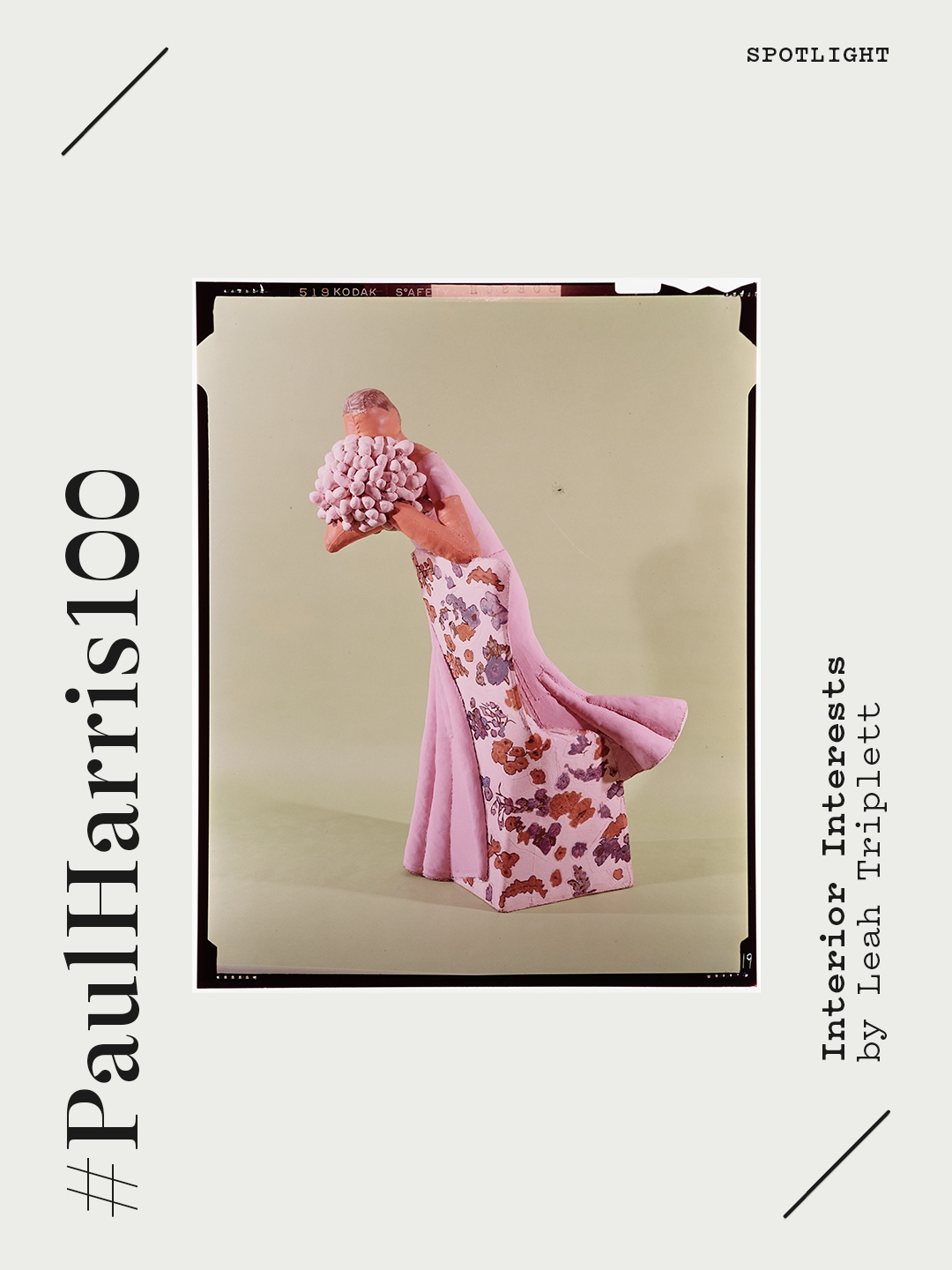
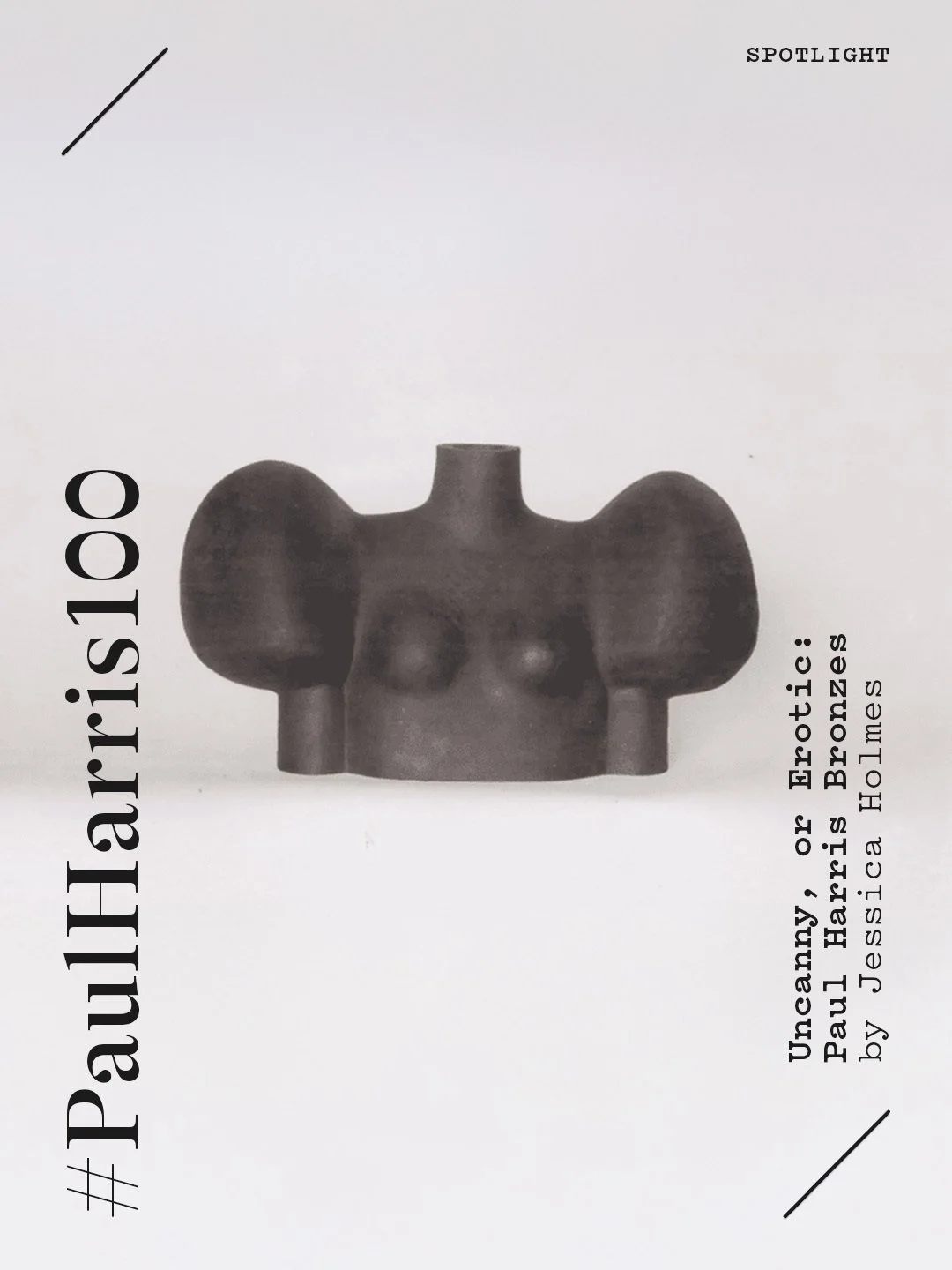
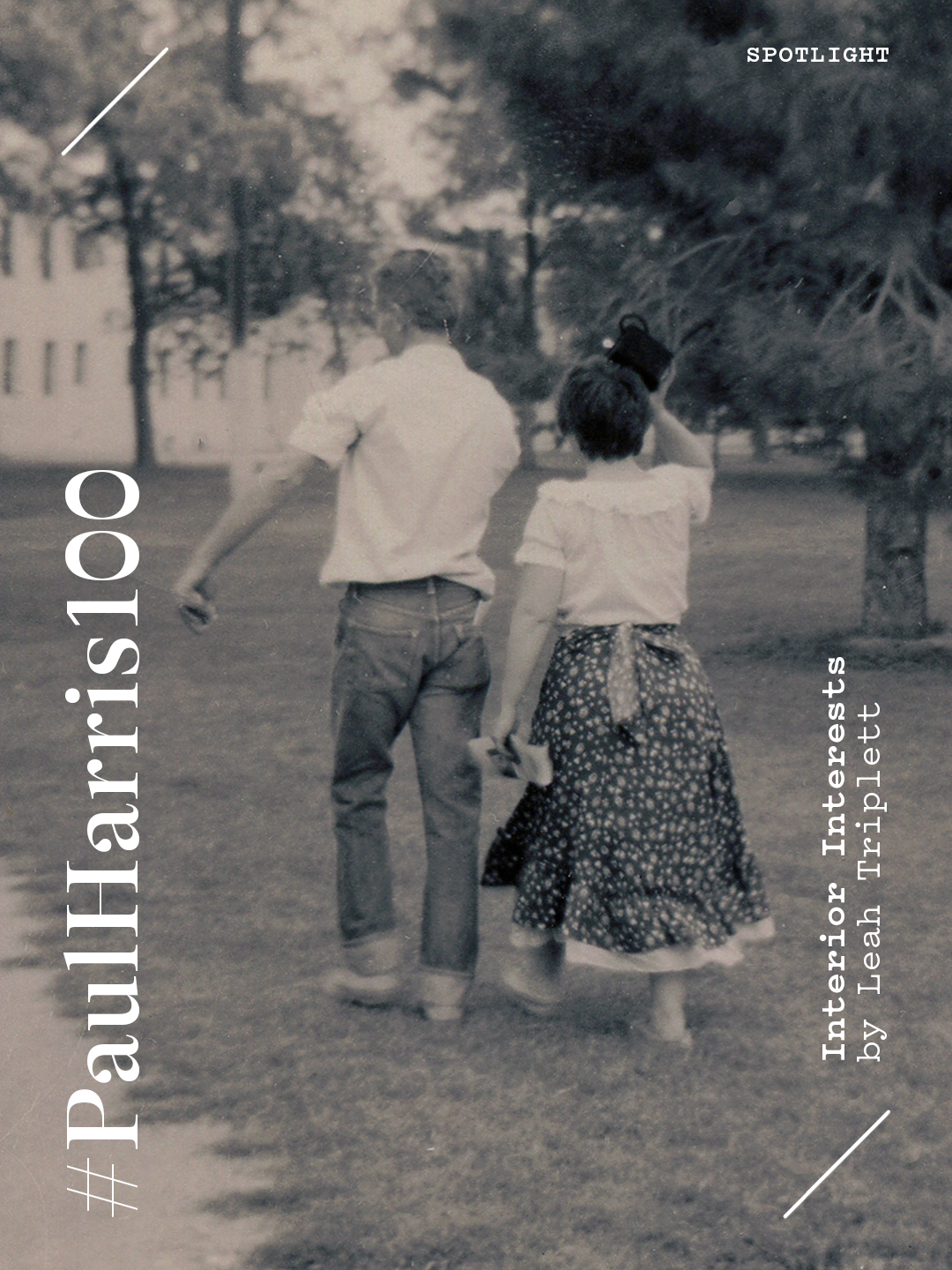
Alongside new digital, we launched an all new educational channel on Instagram, @PaulHarrisEstate with a historical Instagram collab with @LACMA. The special post highlighted Harris’s vivid and richly patterned Woman Laughing (1965), which entered the museum’s permanent collection in 1973. And we debuted serializations of commissioned #PaulHarris100 scholarship with the centennial’s essayists; each carousel featured archival photography and an execution of the new estate brand. More recently, we kicked off a series that celebrates the exchange of archival material with institutions, beginning with the Richard Diebenkorn Foundation and a collab with the popular @DiebenkornFoundaton on Instagram that celebrated the friendship between Diebenkorn, his wife, Phyllis, and Paul and Meme Harris and featured a remark Phyllis wrote in the essay that accompanied Paul Harris Sculpture, Certain Pieces, 1958–1980 at the Loch Haven Art Center (now Orlando Museum of Art): “We have lived with many contemporary works of art at different times over the last twenty years, but none have been so insistent on being part of life, on changing the very meaning of our environment, as Paul’s sculpture [Woman In Pink Gown].” And yet another series, inaugurated with Provincetown Art Association and Museum, @PAAM1914, looked at the year 1949 when Harris struck up a decades spanning friendship with Elaine de Kooning in Provincetown, studied with the legendary abstractionist Hans Hofmann, and attended the exhibition and symposium Forum 49. Uniquely, the carousel featured an excerpt with a newly digitized 1976 audio interview clip with Harris from the Archives of American Art and a visually striking art direction we executed using an archival photograph of the artist sewing a fabric and cloth sculpture in his former Bolinas studio, and that, for impact. we arranged to be shared by @ArchivesAmerArt.
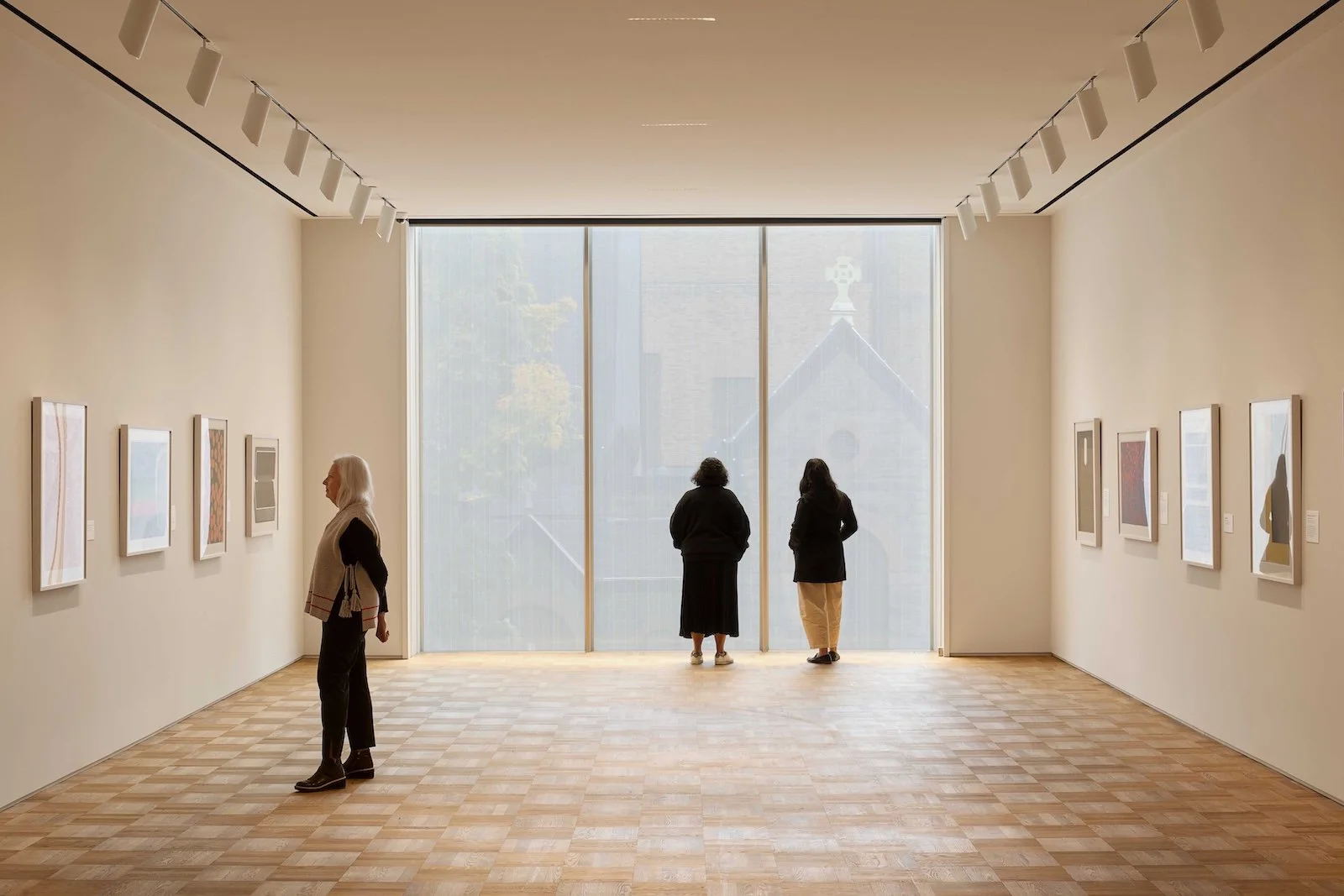
A centennial exhibition, Paul Harris: Shut-In Suite, 1969–70, on view at the new Portland Art Museum, Courtesy of Portland Art Museum, Oregon. Photo: Jeremy Bittermann, 2025
We are delighted that a number of institutions are participating online/offline in #PaulHarris100 with installations and exhibitions. This spring, for example, a special conversation attended by more than 170 people followed by a curator-led walkthrough that we specially arranged with Curatorial Affairs and Public Engagement and Education departments at the Portland Art Museum in Portland, Oregon where Paul Harris: Shut-In Suite, 1969–1970 was on view as the inaugural exhibition in a new gallery adjacent to the new, striking Mark Rothko Pavilion and featured in The New York Times exclusive “Bringing the Portland Art Museum Back to Life” by Ted Loos. “I immediately thought about what we call the color revolution in lithography in the 1890s. So think about the work of Henri de Toulouse-Lautrec, Édouard Vuillard, Pierre Bonnard, and it's the same exuberant use of color,” said Mary Weaver Chapin, Senior Curator of Prints and Drawings at the @PortlandArtMuseum, as a comparison point to Harris’s Shut-In Suite while in conversation with Leah Triplett, earlier this year. “It’s this intensity of color and it's this devotion to surface pattern,” Chapin continued. “So you get very little sense of depth or a recession in space. It’s all there on the front. It’s also highly decorative. Now, decorative is a dangerous word. We sometimes use it dismissively, like, ‘oh, that’s just decorative art, it’s not real art.’ But I’m using it in the term as it was used in the 1890s. Décoration was considered a very elevated form of blending the entire environment.” And across the exhibition and programming, we worked closely with Charles Campbell, Digital Communications Specialist, on a @PaulHarrisEstate and @PortlandArtMuseum collab to maximize attention on the exhibition and artist’s centennial.
As a culmination of the centennial, Bolinas Museum will present Paul Harris: The Boy Sews Like An Angel, a wide ranging retrospective of work made by the late American artist and former resident of Bolinas, on view in the museum’s historic 1800s buildings and courtyard from October 31, 2026 to January 3, 2027. We approached Jessica Shaefer, Executive Director in the spring 2026, and we were delighted that she agreed to mount a retrospective together with the estate. The survey spans six decades of the postmodernist’s adventurous, multidisciplinary practice, from the 1950s to the late 2000s, and includes nearly 40 works in fabric, bronze, papier-mâché, wood, crayon, pencil, and lithography, the majority of which were produced in the artist’s studio in Bolinas steps from the museum. This is the largest survey of Harris’s work in more than 25 years and includes special loans, such as an early example of his vivaciously colored stuffed fabric and cloth sculptures series begun shortly after the artist and his family moved to Bolinas in 1963, historical photography of the artist at work at Bolinas, and a rare vitrine presentation of the artist’s tools and sketches. The show will be accompanied by a fully illustrated catalogue with scholarship by Shaefer that looks at the artist’s life and contributions to the history of Bolinas, as well as to be announced programming at California College of the Arts. In a close partnership with the Museum, Portrait is involved in nearly every aspect of the exhibition, including loans, exhibition and materials design, programming and special events, and marketing. KQED, the public media outlet of the Bay Area, recently highlighted the exhibition among “The 10 Best Museum and Gallery Shows to See this Fall.”
SPECIALISTS
- Scholarship
- Leah Triplett, Jessica Holmes, Sarah Hotchkiss
- Photography
- Michael Walker
- Research & Copyediting
- Jacquie Northcutt
- Website Development
- Caroline Bushman
- Collections Management
- Jacquie Northcutt
- Art Handling / Shipping
- Alex Case